
The Stelvio, taken slowly
When to go, where to stop, and why the early hour matters.
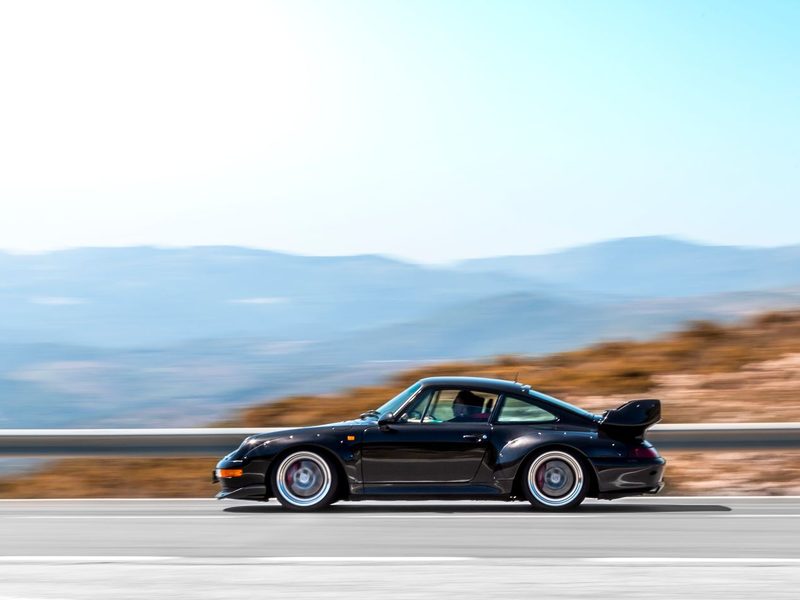
The Stelvio Pass is one of those roads that arrives already burdened with reputation. It climbs out of the Valtellina and the Val Venosta to one of the highest paved crossings in the Alps, and its eastern ramp, with its stacked ladder of numbered hairpins, has been photographed so often that it can feel familiar before you have driven a metre of it. The pleasure lies in discovering that the real thing is better than the picture, provided you approach it properly.
Choose the season with care
The pass is a high-mountain road and it is closed for much of the year. It typically opens in late spring and closes again with the first serious snow of autumn, and the dates move with the weather, so check the regional road authority before you commit to a plan. Early summer brings snow walls and clear air; September is often calmer, with fewer cyclists and a lower sun that flatters the switchbacks.
The early hour is everything
The Stelvio is shared. Cyclists treat it as a pilgrimage, motorcyclists arrive in numbers, and coaches use it too. Set off from Bormio or Prato allo Stelvio soon after first light and you will have long stretches largely to yourself. By late morning the summit car parks fill and the hairpins become a procession. An early start is not about speed; it is about being able to drive the road at your own rhythm.
Which way to go
Most drivers prefer to climb the eastern side, from Prato, because the hairpins face you as you ascend and the view back down the ladder from the top is the one everybody remembers. The western side from Bormio is more open and flowing, with tunnels and galleries cut into the rock. A good plan is to climb one side, pause at the summit, and descend the other, then return by the Umbrail Pass into Switzerland if you have the time and the appetite.
How to drive it
Hairpins this tight reward patience rather than bravado. Brake in a straight line, take a wide view of what is coming down towards you, and remember that larger vehicles will need the whole road on the turns. Use a lower gear on the descent to spare the brakes, and give cyclists generous room; many are climbing at their absolute limit.
Where to stop
The summit itself is busy but worth a pause for the view and the cold air. Below it, the small towns on either side reward a lingering lunch: Bormio has its thermal baths, and the villages of the Val Venosta are quieter and greener. If you are staying overnight, choose somewhere that will let you leave early the next morning without fuss.
The point of it all
The Stelvio is not a road to be ticked off. Taken slowly, at the right hour and in the right season, it is a reminder of why some of us still prefer to arrive by car.