
Planning a European driving tour
The questions worth settling before the first mile.
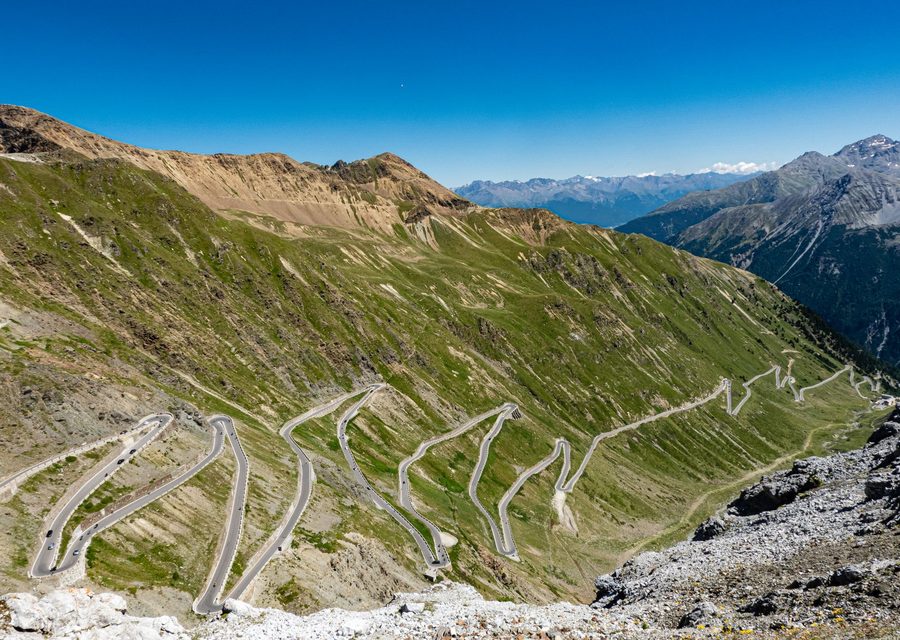
A great driving tour looks effortless from the passenger seat. Behind it sits a series of decisions that are easy to get wrong and tedious to correct on the road. None of them is complicated, but each is worth settling before you leave.
Decide what the tour is for
Some journeys are about the roads themselves: a sequence of passes and coastal stretches strung together with as little motorway as possible. Others are about arriving somewhere, a race weekend, a wedding, a long lunch, with good driving on the way. Be honest about which you are planning. A road-first tour needs shorter daily distances and earlier starts; a destination-first tour can use fast roads to buy time for the stretches that matter.
Keep the daily distance modest
The common mistake is ambition. Mountain roads are slow, villages are slower, and the best moments tend to be the unplanned ones: a viewpoint, a café, a detour. A day that looks comfortable on a map can become a long one in practice. Plan fewer kilometres than you think you need and leave at least one day without a fixed destination.
Respect the paperwork
Driving across borders brings obligations that vary by country. Several European countries require motorway vignettes or tolls, some cities operate low-emission zones that need registration in advance, and certain items of safety equipment are compulsory in some countries. Insurance cover, breakdown arrangements and, for your own car, the vehicle documents all need checking before departure. The rules change, so consult official sources close to your travel date rather than relying on memory.
Choose hotels for the car as well as the guest
A beautiful hotel with nowhere secure to leave the car is a poor end to a driving day. Ask about covered or private parking, whether it needs booking, and how early you can leave in the morning. Small, owner-run hotels are often the most accommodating.
Think about the season
Alpine passes have opening seasons. Coastal roads in the south are crowded in high summer. Spring and early autumn are often the sweet spot: open roads, mild weather and fewer people. Weather in the mountains can turn quickly at any time of year, so keep a fallback route in mind.
Leave room for the unexpected
The most memorable tours tend to have some slack in them. A closed road, a recommendation from a waiter or a sudden change in the weather should be an opportunity, not a crisis. Plan carefully, then hold the plan lightly.