
The day of the flight, from kerb to cabin
What actually happens when you fly privately, and how to make the morning go smoothly.
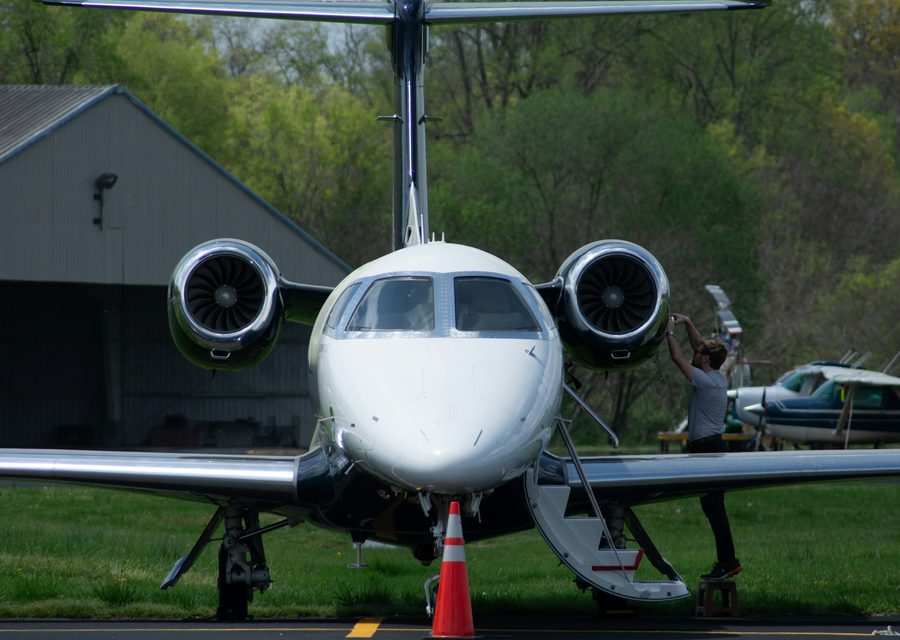
Much is written about choosing an aircraft and very little about the day itself. Yet the morning of departure is where private flying either earns its reputation or loses it. A little preparation, mostly done the day before, makes the difference between a calm start and a fretful one.
The day before
A good operator or broker will send a confirmation with the departure time, the terminal address, the aircraft type and the names of the crew. Read it properly. Check that every passenger's name matches their passport, and that passports and any visas are in order for the destination. Private flights cross borders in the same way as airline flights, so the same documents are needed.
This is also the moment to settle the small things: the number of bags, anything bulky such as golf clubs or a child's car seat, and any catering requests. Cabins and holds vary a great deal between aircraft, and it is far easier to solve a luggage question on the telephone than on the apron.
Finding the right terminal
Private passengers rarely use the main airport terminal. Most depart from a business aviation terminal, often called an FBO, which may sit on a different side of the airfield with its own entrance. Satellite navigation does not always know the difference, so pass the exact address to whoever is driving you, and allow for the fact that the approach road may be unfamiliar.
Arrival and formalities
One of the genuine pleasures of private flying is how little time is spent waiting. Your operator will say how early to arrive, and it is usually a fraction of what an airline would ask. Formalities still apply. Passports are checked where the route requires it, and baggage and passengers may be screened according to the rules of the airport and the country. It is simply done with fewer people and less ceremony.
Meeting the crew
Before departure, the captain will usually introduce themselves, explain the route and expected flight time, and mention anything worth knowing about the weather. On smaller aircraft there may be no cabin attendant, in which case the crew will show you where things are kept. It is a good moment to ask questions. Crews are used to them and generally enjoy them.
When the plan changes
Weather, air traffic restrictions and the occasional technical issue affect private aircraft as they do airliners. The difference is in how they are handled. A reputable operator will tell you early, explain the options plainly and, where needed, arrange an alternative aircraft or airport. It helps to keep the first hour after landing loosely planned, so that a short delay does not cascade through the rest of the day.
At the other end
The arrival should be as considered as the departure. Confirm who is meeting the aircraft, where the car will be waiting and who has the keys. For a driving tour, this is often the best part: the bags go straight from the hold to the car, and the road begins at the airfield gate.
A quiet checklist
Passports and names checked. Luggage declared. Terminal address shared with the driver. Ground arrangements confirmed at both ends. With those four things in hand, there is very little left to do but enjoy it.
It is how many of our guests begin a tour, including the journey south through Portugal to the Algarve.