
Charter, without the jargon
Empty legs, positioning and what you are actually paying for.
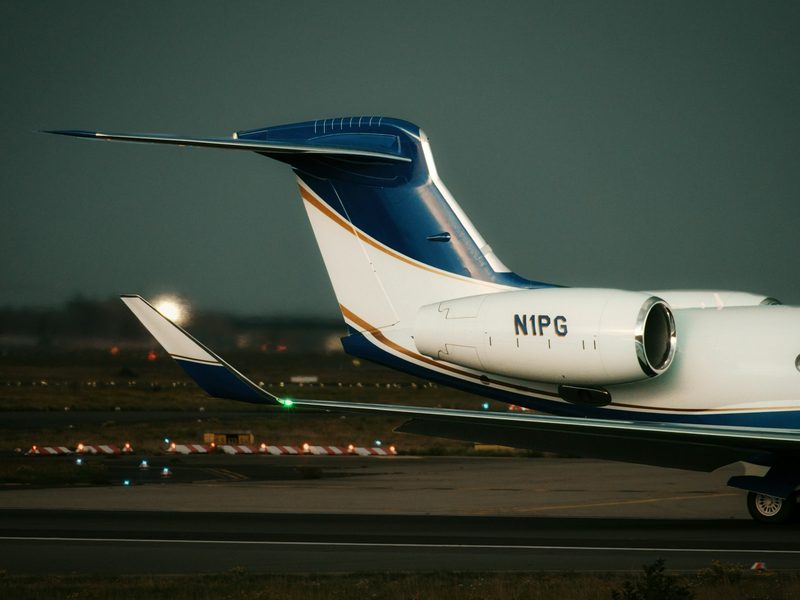
Private aviation has its own vocabulary, and it can obscure what is actually being bought. A few terms, plainly explained, make the whole process easier to navigate.
Operators and brokers
An operator owns or manages aircraft and holds the regulatory approval to fly paying passengers. A broker arranges flights on behalf of clients, sourcing aircraft from operators. Both can provide a good service. What matters is that the aircraft is operated by a properly certified operator, and that you know who that is.
Positioning
An aircraft is rarely waiting exactly where you want to depart. Flying it to your departure airport, and back to its base afterwards, is known as positioning, and the cost is usually built into the price. This is why a one-way trip can cost more than expected.
Empty legs
When an aircraft flies empty to position for another client, the seats on that flight are sometimes offered at a reduced price. These empty legs can be good value, but they are inflexible: the timing and route are set by someone else's booking, and the flight may change or be cancelled if the original trip changes.
Aircraft categories
Jets are commonly grouped by size, from very light and light jets for short trips with a few passengers, through midsize and super-midsize, to heavy and long-range aircraft. Larger aircraft offer more space and range at a higher cost. The right choice depends on distance, passengers, luggage and the airports involved.
What drives the price
Flight time is the main factor, along with aircraft type, positioning, airport fees, overnight crew costs, catering and demand around busy dates. Major sporting and social events can make aircraft and airport slots scarce, so book early for those weekends.
Questions worth asking
Who is the operator? What is the aircraft type and age? What is included in the price, and what may be added? What happens if the flight is delayed or the aircraft becomes unavailable? Clear answers to these questions are a good sign.
Arriving by car
For those who enjoy driving, charter can work well in combination: fly in, collect a car, and drive the roads that matter. It is one of the more civilised ways to travel.
Safety and regulation
Commercial private charter is a highly regulated activity. Aircraft and operators are subject to oversight by national aviation authorities, and passengers can ask to see the operator's approval. Reputable brokers will only place clients with properly certified operators. If anything about the arrangement feels unclear, ask until it is not.