
Partnering with a race, not a team
Why some brands attach themselves to a single Grand Prix weekend, and what that kind of partnership involves.
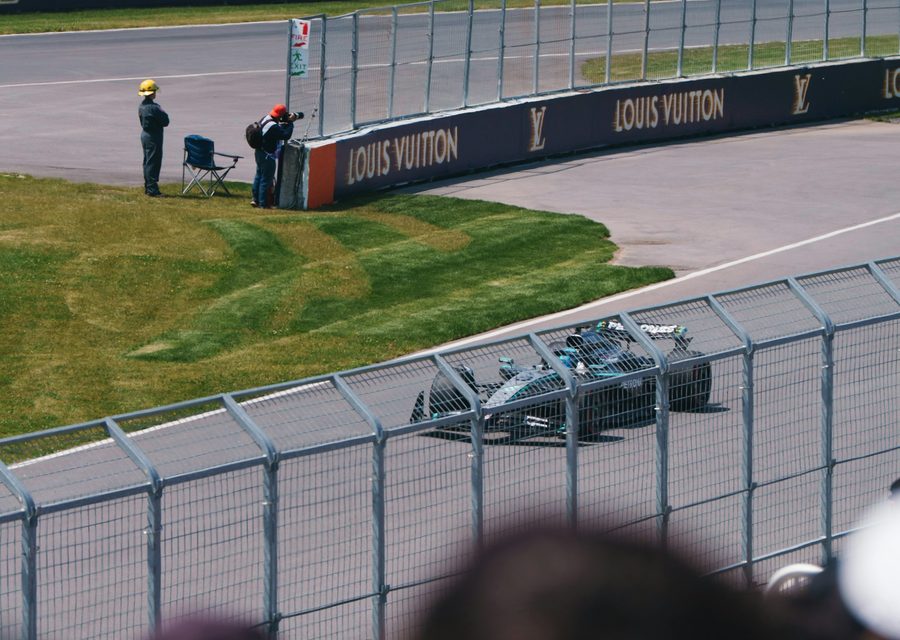
When brands think about Formula One, they tend to think about teams: the liveries, the drivers, the garages on television. Yet some of the most considered partnerships in the sport are made with a single race. Every Grand Prix is staged by a promoter, and that promoter has its own commercial programme, its own hospitality and its own relationships with the city or region around the circuit. For the right brand, that can be a more natural fit than a year-long association with a team.
Who you are dealing with
A team partnership follows the team around the world. A race partnership stays in one place. The counterpart is the promoter of that event, often working alongside local tourism bodies and the circuit itself. What can be offered at a race is shaped by the championship's own commercial arrangements, so the rights available differ from event to event. It is worth understanding early which rights belong to the promoter and which are held centrally.
Why a single race can make sense
The appeal is focus. A brand with a strong presence in one country, or one that wants to be seen in a particular market, can concentrate its effort on the weekend that matters most to its customers. A race partnership also tends to sit comfortably alongside local activity: events in the host city, links with regional producers, and hospitality that guests can combine with a few days in the area.
There is a practical advantage, too. One weekend is easier to plan, staff and measure than a season. It allows a brand to learn how the sport works from the inside before considering anything larger.
What is usually on the table
The detail is always negotiated, and published figures should be treated with caution. Broadly, race-level partnerships can include branding at the venue, the right to associate with the event in marketing, hospitality allocations, and access to moments around the weekend that the public does not see. The most prominent arrangement is a title partnership, in which a brand's name forms part of the race's official name, though that is rare and reserved for long-term commitments.
Activation matters as much here as anywhere
As with any partnership in the sport, signing the agreement is the start rather than the finish. The brands that get most from a race tend to plan the whole week: what happens in the city beforehand, how guests arrive, where they stay, and how the relationship continues once the circuit has gone quiet. A single weekend rewards that kind of care, because there is no second chance later in the season.
Hospitality as the anchor
For many companies, hospitality is the heart of a race partnership. It is where clients are thanked, colleagues are rewarded and conversations begin. We have written separately about using hospitality as a business tool, and the same principles apply: invite carefully, brief your guests, and make the days around the race as memorable as the race itself.
Before committing
Take legal advice, particularly on sponsor categories and local rules, which vary between venues. Set objectives before signing, so that the weekend can be judged against them afterwards. And speak to people who have hosted at the race before; the circuit, the hotels and the roads in and out all have their own character.
Portugal's return to the calendar in 2027 is a good example of a race that rewards a longer stay. Renisetté's Portugal Grand Prix Supercar Tour, 14 to 21 June 2027, is one way to spend that week.