
What moves collector car values
Originality, provenance and the quieter forces behind the market.
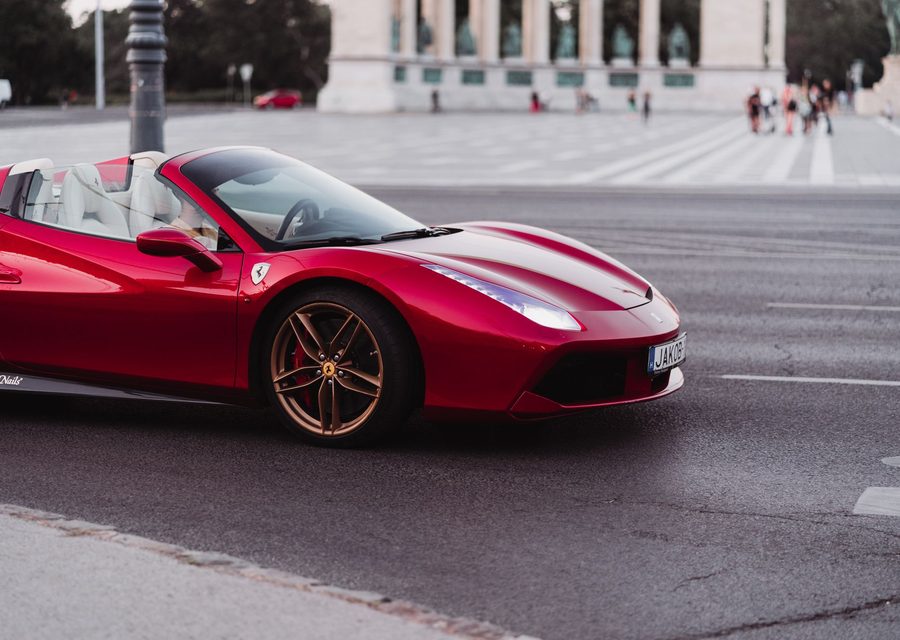
Collector car values can seem mysterious, but most movements come down to a handful of durable forces. Understanding them will not make anyone a prophet, yet it does help in telling a fashion from a fundamental.
Rarity, real and perceived
Low production numbers matter, but rarity alone is not enough. A rare car that few people want is simply rare. Value comes from scarcity of something desirable: a particular specification, a short production run of a celebrated model, or a car with a significant competition history.
Originality and condition
Collectors increasingly prize cars that remain as they left the factory, or that have been preserved rather than rebuilt. Original paint, interiors and components, and the documents to prove them, carry weight. At the same time, a well-executed restoration by a recognised specialist can be valued highly. What matters is honesty about which is which.
Provenance
A car's story is part of its value. Ownership history, service records, factory documentation and period photographs all help. A known history reassures buyers; gaps in it create doubt, and doubt costs money.
Generational taste
Buyers often want the cars they admired when they were young. As one generation becomes the most active group of collectors, the cars of its youth tend to attract interest, and cars from earlier eras can find a smaller audience. This is one of the slower but more powerful forces in the market.
Usability
Some collectors want cars they can drive regularly and enjoy on tours and events. Cars that are reliable, comfortable and practical to maintain can benefit from this. Others care chiefly about significance and are content for a car to be shown rather than driven.
The wider economy
Collector cars are discretionary purchases, and confidence matters. Interest rates, wealth, currency movements and the broader mood all influence how freely people buy. Specialist markets can move independently of wider trends for a time, but rarely forever.
Costs of ownership
Storage, insurance, maintenance and transport are real costs, and they increase with the value and complexity of a car. Buyers who account for them are less likely to be disappointed.
Reading the signals
No single factor explains every price. The useful habit is to ask, of any result, which of these forces was at work. Over time that habit builds the judgement that no price guide can supply.