
Specification, and what it does to value
Why two cars of the same model can live in quite different markets.
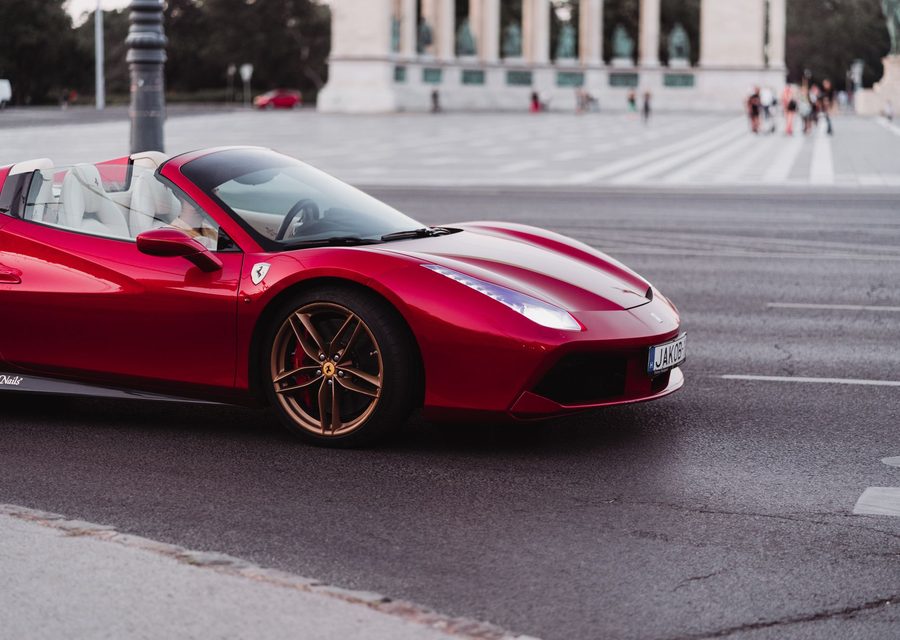
Two cars can share a model name, a year and a mileage, and still be worth noticeably different sums. Condition and history explain much of the gap. The rest is usually specification: the colour, the interior, the options ticked on the order form, and the ones left blank. It is one of the less discussed forces in the market, and one of the most useful to understand before buying or selling.
The order form lives on
A modern performance car is rarely built to a single standard. Makers offer long lists of paint colours, leathers, wheels, carbon-fibre trim, seats, exhausts and lightweight packages, and personalisation programmes such as Ferrari's Tailor Made and Porsche's Paint to Sample go further still. Each first owner leaves a mark on the car through those choices, and every later owner inherits them. When the car is sold, the buyer is paying not only for the model but for that particular combination.
Colour comes first
Colour is the choice most buyers notice first and forgive least. Some models are closely associated with a particular shade, and examples in that colour tend to be the ones people go looking for. Unusual or historic colours can make a car especially desirable, provided they suit it; a colour that looked bold in the showroom can look merely dated a decade on. Interiors matter in the same way. A sympathetic combination of paint and leather is easy to live with and easy to sell, while a clashing one narrows the field of willing buyers.
Options that matter, and options that don't
Not every option carries its cost into the used market. Items that change how a car drives or how it is perceived, such as lightweight packages, particular seats or a manual gearbox where one was offered, are often sought after. Comfort and convenience extras tend to matter less, although their absence can count against a car that buyers expect to be well equipped. Some features become expected over time, so a car without them can feel underspecified even if it was perfectly ordinary when new. The honest answer is that it varies by model, and the specialists and owners' clubs for that marque are the best guide to which options the market truly values.
Proving the specification
A claimed specification is only as good as its evidence. Original order documents, build sheets, window stickers and factory certificates of authenticity confirm what a car left the factory with, and help distinguish original equipment from later additions. Where a car has been altered, whether retrimmed, repainted or fitted with parts from another model, the work should be documented and, ideally, reversible. Factory certification programmes, such as Ferrari Classiche for older cars, can add further confidence about originality.
Using it when you buy
For a buyer, specification is a reason to be patient. A model that is plentiful in common combinations may offer only a handful of cars in the one you really want, and waiting for the right car is often wiser than compromising on something you will notice every time you open the garage. It is also worth asking how a given specification will be received by the next buyer, since few cars stay in one collection for ever.
Using it when you sell
For a seller, specification is part of the story worth telling. A clear list of factory options, backed by documents, lets buyers see exactly what they are being offered and compare it fairly. It is often the detail that separates a car that sells quietly from one that has to wait for the right buyer.